

Table of Contents
- Enhancing Workplace Safety
- Boosting Operational Efficiency
- Ensuring Legal Compliance
- Reducing Equipment Damage
- Improving Employee Morale
- Cost Savings
- Fostering a Safety Culture
- Conclusion
Key Takeaways
- On-site forklift training has been proven to reduce workplace accidents and injuries significantly.
- Proper training leads to increased operational efficiency and reduced equipment damage.
- Compliance with legal standards is achieved through comprehensive training programs.
- Investing in employee training boosts morale and job satisfaction.
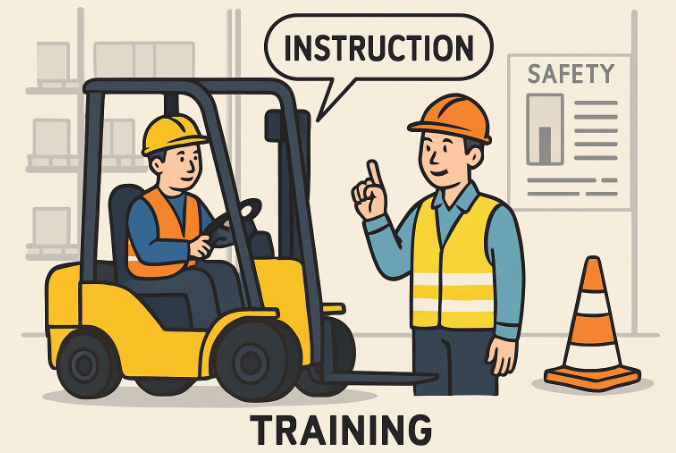
Workplace safety and productivity are vital concerns in today’s fast-paced industrial environments. Many organizations are recognizing the powerful advantages of investing in onsite forklift training and certification CA. By providing comprehensive forklift training at the workplace, employers can ensure not only compliance with safety regulations but also cultivate a more skilled and motivated workforce. Adopting structured training programs at your facility can be a strategic move for sustained success and peace of mind.
On-site forklift training delivers practical safety education directly to your team, in the context where they work every day. This approach makes safety training more effective, relevant, and immediately applicable, thereby reducing the risk of accidents and strengthening operational continuity. The advantages extend far beyond basic compliance, delivering measurable benefits to employee morale and the bottom line while fostering a strong culture of workplace safety.
Enhancing Workplace Safety
Forklift incidents are a persistent concern at warehouses, distribution centers, and manufacturing plants. The Occupational Safety and Health Administration (OSHA) estimates that forklift accidents cause roughly 85 fatalities and 34,900 serious injuries in the U.S. each year. On-site forklift training equips operators to identify and mitigate common hazards, making them more prepared to handle equipment safely. This hands-on approach lowers accident rates, reduces near-misses, and helps safeguard both workers and business assets. For additional context on these national injury trends, the CDC provides key forklift safety facts. Proper maintenance of forklifts also plays a critical role in preventing mechanical failures that can lead to accidents. Employers should ensure regular inspections and enforce protocols that prioritize equipment upkeep alongside operator training.
Boosting Operational Efficiency
Efficiency gains are another substantial benefit of onsite training. Forklift operators who receive tailored instruction can improve their handling skills, master efficient load management, and streamline movement throughout the facility. This results in a smoother workflow and fewer delays, ensuring that goods are received, stored, and shipped with greater speed and accuracy. Efficient operations not only help companies keep up with high demand but also build a reputation for reliability among partners and customers.
Ensuring Legal Compliance
Compliance with OSHA’s forklift training requirements is non-negotiable for businesses operating powered industrial trucks. These federal standards require employers to offer proper training to every operator and document their certification. Failure to comply can lead to fines, penalties, and even operational shutdowns in severe cases. Structured onsite training ensures all operators understand the rules and operate within regulatory boundaries, thereby reducing legal risks and ensuring that your workplace passes regulatory inspections without issue. To understand more about how regulations affect worksites, visit OSHA’s official forklift operator training resource. Ensuring compliance not only protects employees but also strengthens the company’s reputation as a safety-conscious and responsible employer. Prioritizing proper training today can prevent costly incidents and liabilities tomorrow.
Reducing Equipment Damage
An often-overlooked benefit of on-site forklift training is the reduction of equipment damage. Operators who understand correct driving techniques, proper maintenance, and responsible use minimize wear and tear on their vehicles. They’re also less likely to make costly errors, such as hitting racking systems, skirting overloading limits, or neglecting pre-operation checks. Diminishing these risks extends the lifespan of forklifts and facilities infrastructure, and dramatically reduces the financial burden of repairs and downtime.
Improving Employee Morale
Investing in employees’ safety and professional growth has a profound impact on their morale. When workers see a company prioritizing their well-being and skill set, job satisfaction rises. Confident, well-trained operators are more engaged, productive, and willing to contribute positively to the workplace. This investment also fosters loyalty, reducing turnover and helping to attract talented new employees who appreciate a company’s safety-first culture.
Cost Savings
The costs associated with implementing a high-quality onsite forklift training program are quickly offset by the long-term savings it generates. Reduced accidents lead to lower workers’ compensation expenses and lower insurance premiums. Efficient, damage-free operations cut unnecessary spending on repairs. Over time, these benefits collectively enhance profitability, allowing funds to be reinvested in additional workplace improvements or employee benefits.
Fostering a Safety Culture
Systematic onsite training programs set a foundation for a broader culture of safety. A workforce that is consistently reminded of best practices and safety guidelines is more likely to stay vigilant and prompt peers to do the same. This shared sense of responsibility fosters a positive workplace environment and enables organizations to maintain continuous improvement in health and safety outcomes for all.
Conclusion
On-site forklift training and certification is an investment that pays dividends in terms of safety, efficiency, legal compliance, equipment longevity, employee engagement, and overall company profitability. Prioritizing thorough, accessible training not only reduces operational risks but also helps create an empowered and loyal workforce. Companies that make training a core value are setting themselves up for sustainable success and a sterling reputation in their industries.
